1921-2021
The Company

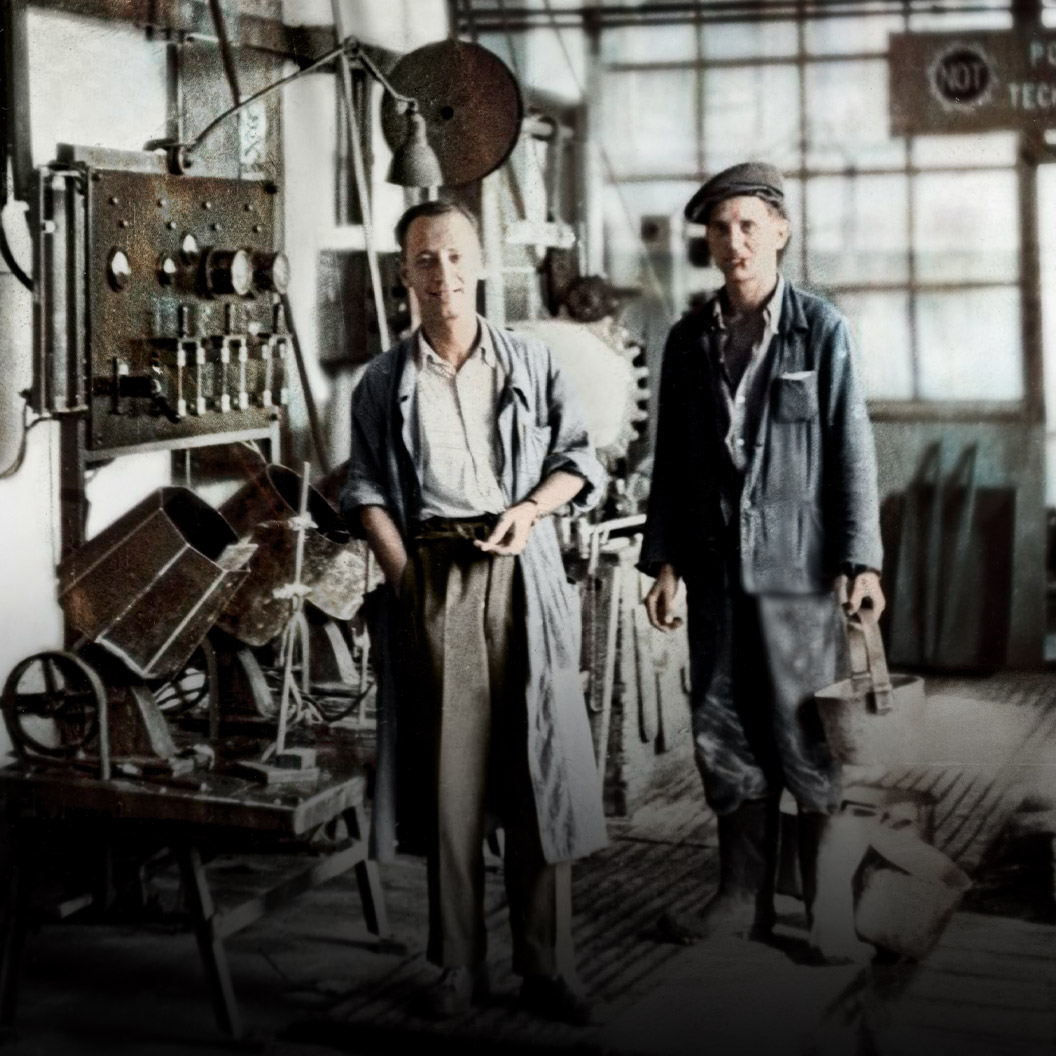

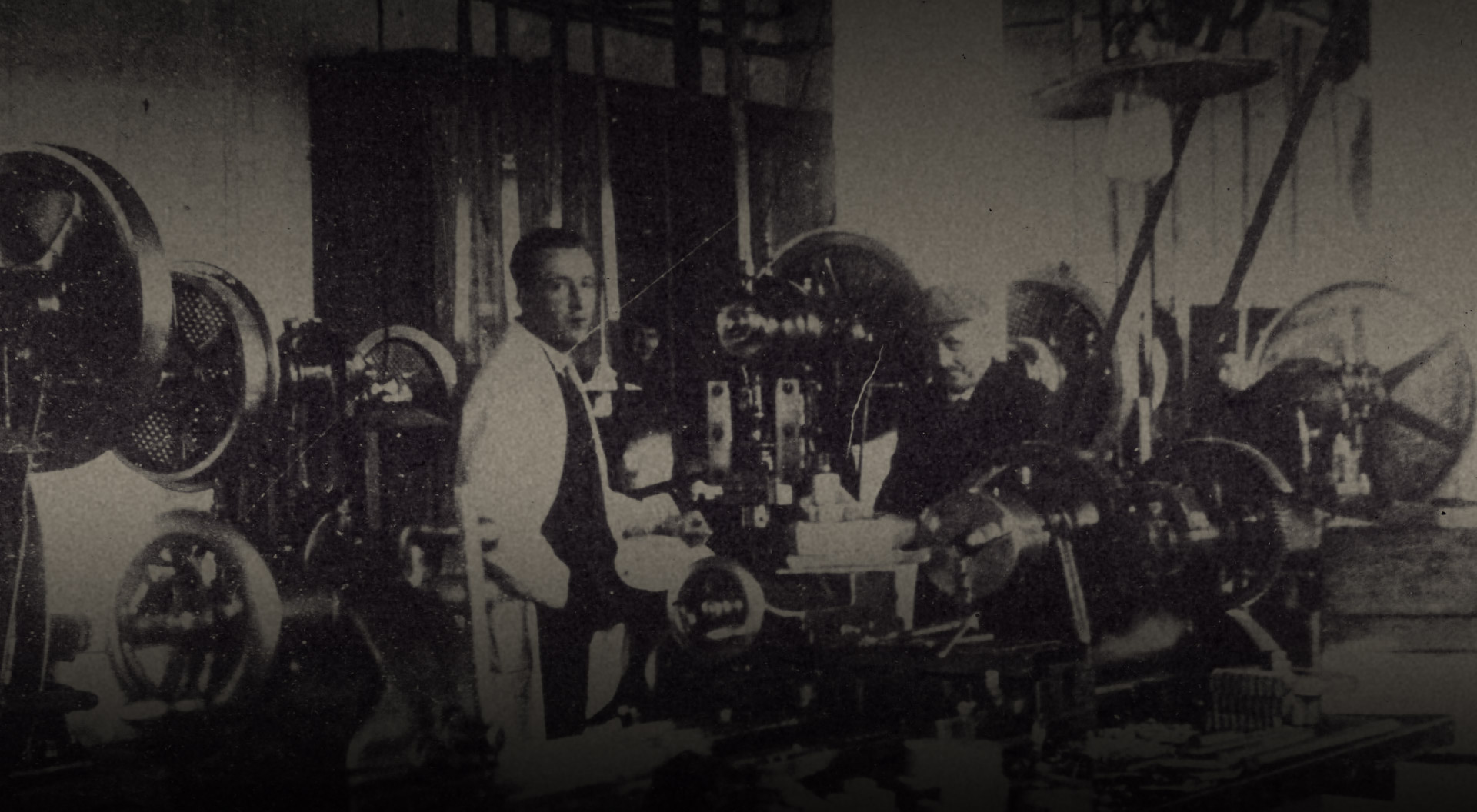
A decision about the location of planned factory in this specific, and no other place, may be determined by a lot of factors. It happens, even in the case of large projects, that they are constructed in so far undeveloped space. However, as a rule such places are selected which, due to their past and location, are perfectly suitable to write another chapter in the history of industrial development. It was the case of Kontakt.
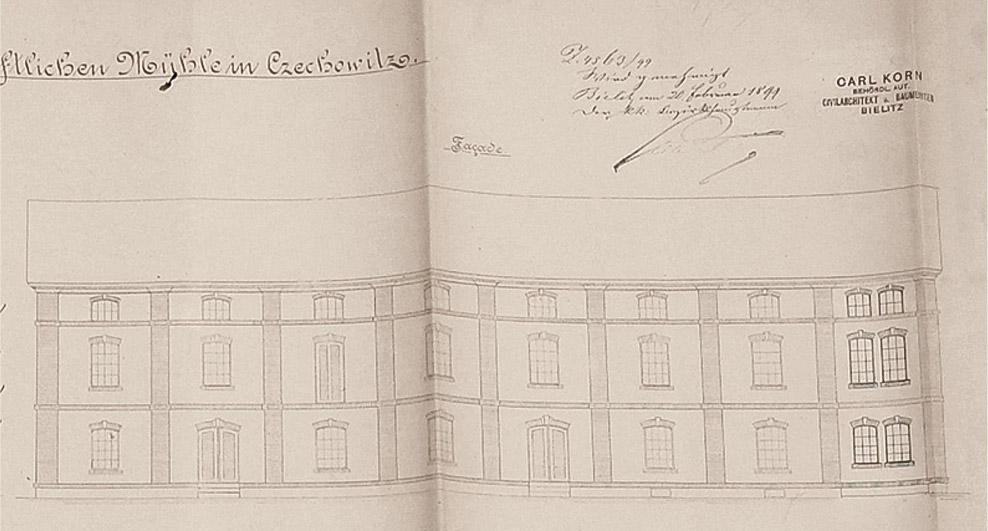
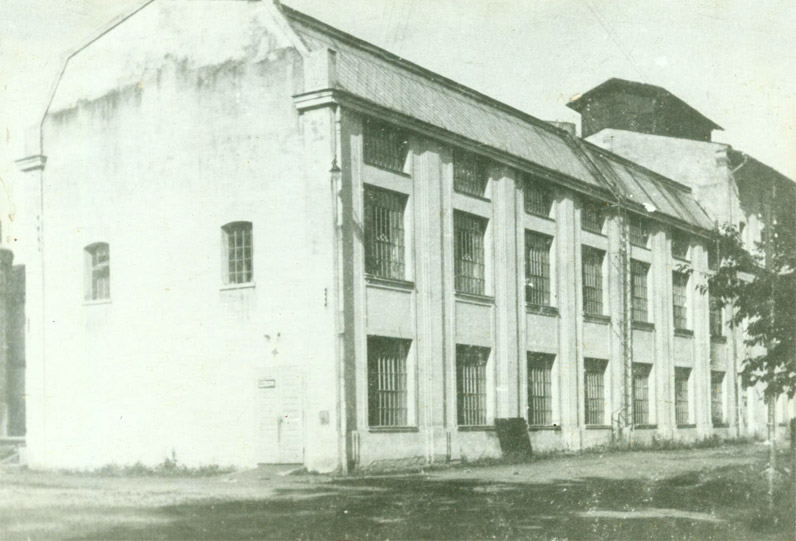
The placement of the enterprise headquarters in this specific location in 1921 was not just a random decision, as in the area existed unused, and fairly new, industrial facilities: the remnants of Neumann company mill operations.
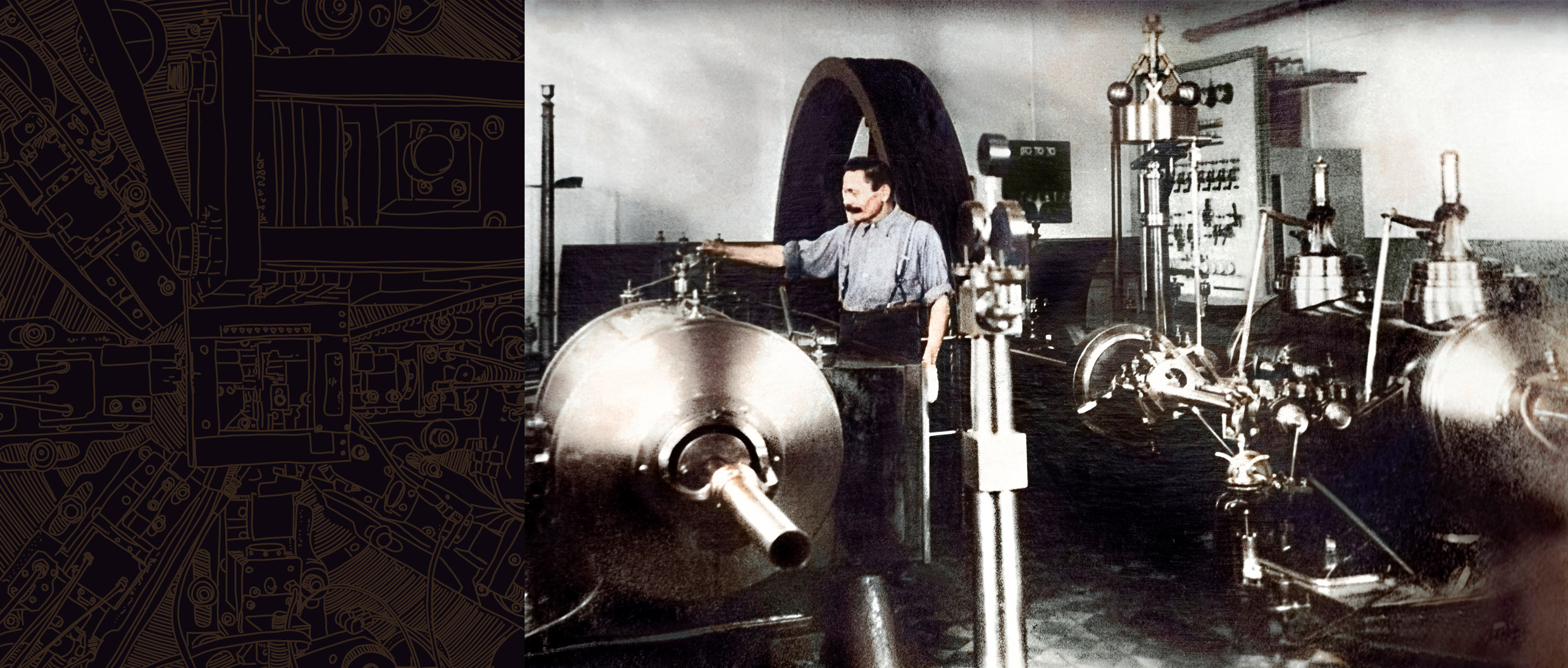
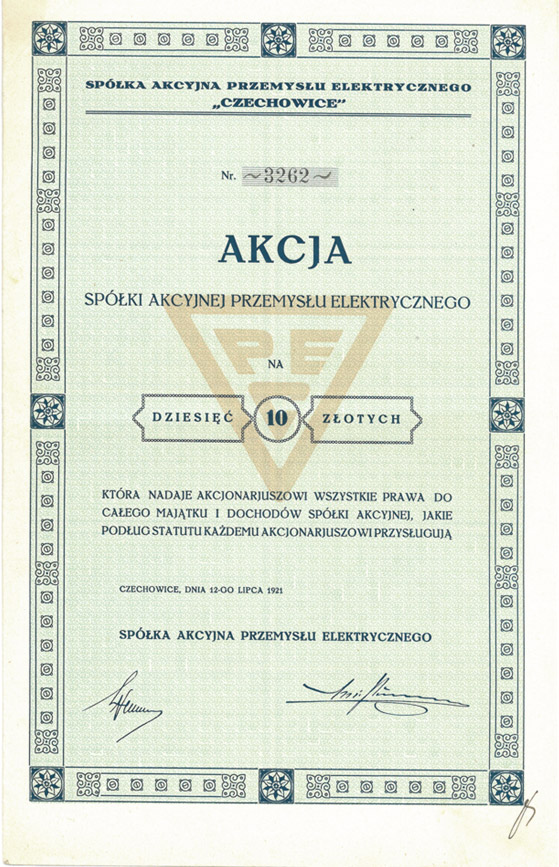
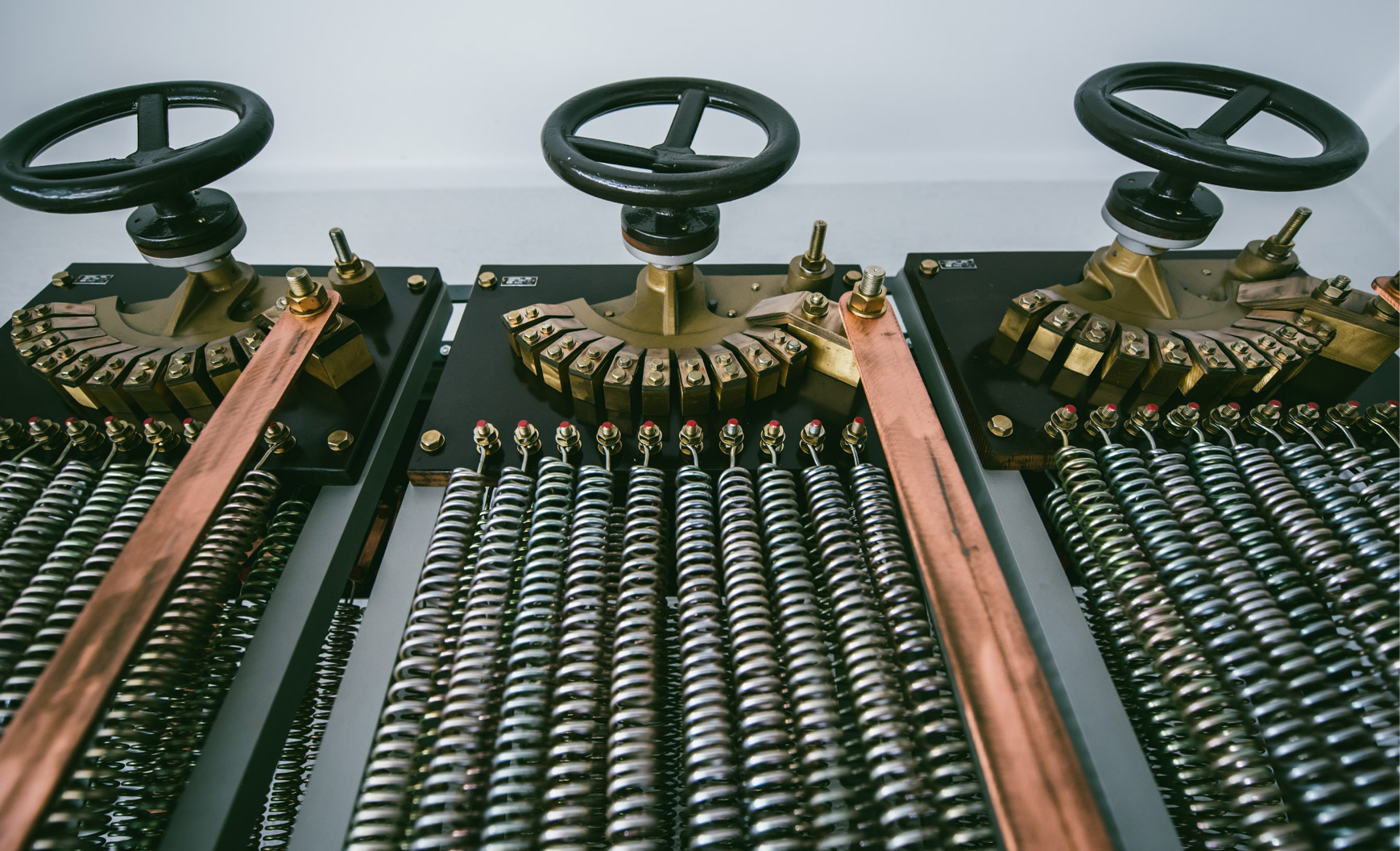
The enterprise was created on July 12th, 1921 at the initiative of representatives of Polish industry, Industrial Bank (Bank Przemysłowy) and Industrial Bank of Silesia (Śląski Bank Przemysłowy). The initial name of the company was Spółka Akcyjna Przemysłu Elektrycznego “Czechowice” (“Czechowice” Joint Stock Company of Electrical Industry). Initially the factory manufactured resistors, installation, lighting and signalling equipment, and electrical meters. Later to the product range were introduced isolation holders, fuse sockets, rotary switches, and very popular at that time porcelain-housed electrical wall socket.

The design documentation submitted by Mr Schleyen on December 15th, 1920 was accepted by the Industrial Bank and, jointly with the Industrial Bank of Silesia and a businessman, Mr Zygmunt Lewakowski, they set up a founders committee to achieve the goal of the planned enterprise establishment. On January 10th, 1921 the real estate of Czechowice consisting of about 5 ½ morga of land, a mill with auxiliary buildings and a 125 HP steam machine were bought, in exchange for shares of the future enterprise; in this way Neumann & Co entered the founders’ team which appointed Dr Marcin Szarski, Dr Maryan Niemczewski, Mr Alfred Goldklang, Mr Tadeusz Filippi and Mr Adolf Schleyen as the executive committee, with an order to take all steps necessary for the project implementation. The enterprise to be established was named Spółka Akcyjna Przemysłu Elektrycznego “Czechowice” (“Czechowice” Joint Stock Company of Electrical Industry).
The global crisis commenced in 1929 did not miss the Company: serious problems with product sales arouse and the Plant found itself at the verge of bankruptcy. A lot of people were laid off, and those remaining had their pay reduced. Neumann brothers saved the day providing a loan of 2 million zloty to the Company.
In 1932 Mr Ernest Lang (MSc Eng.) took the helm of the plant and hired company restructuring specialists. In this way gradual systematic recovery process was possible. In 1938 the plant generated profit of 400 000 zloty having annual turnover exceeding 3 million zloty.


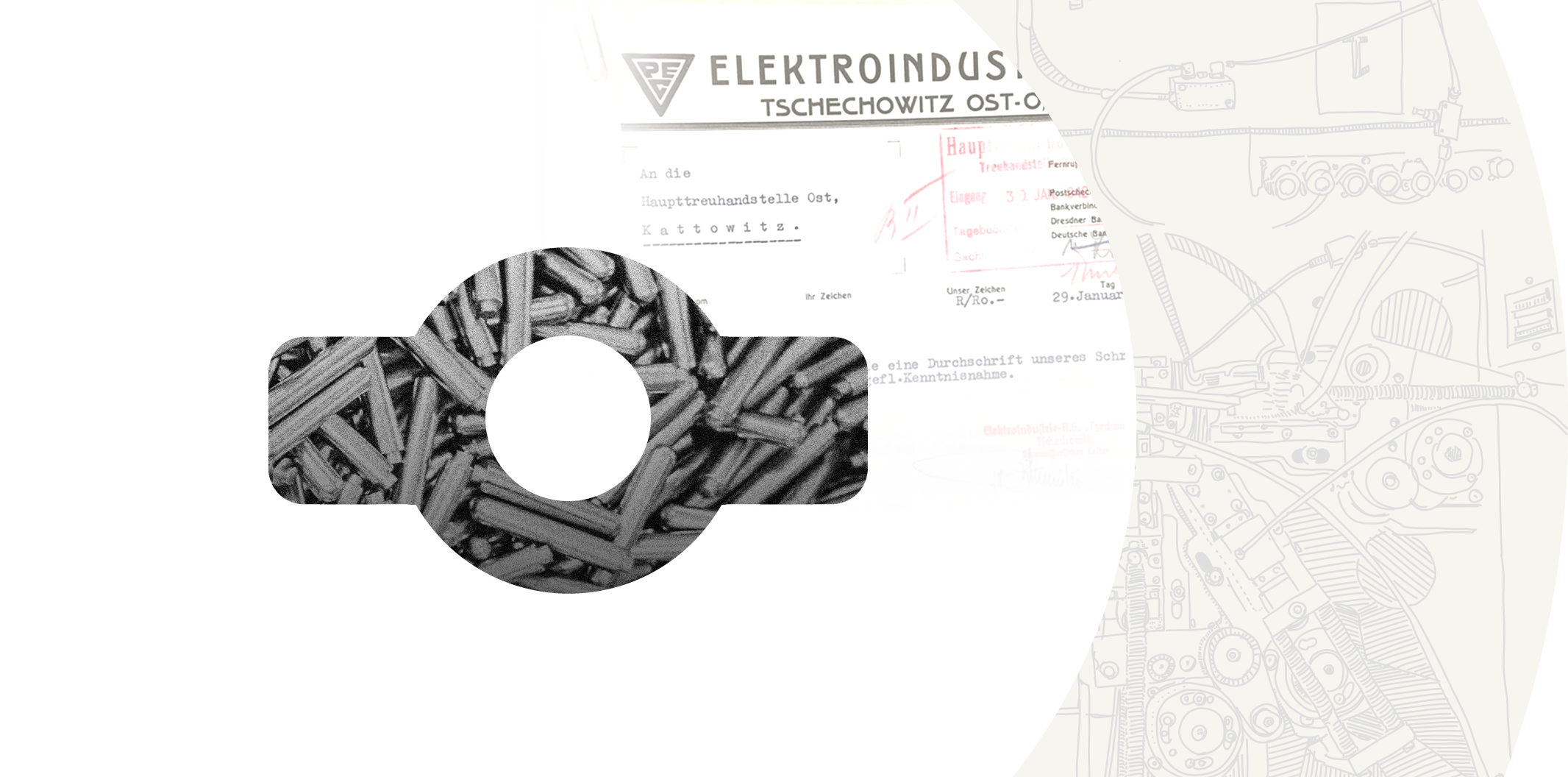
The Wehrmacht occupied the company facilities. From then on it was named Elektro-Industrie Aktien Gesellschaft “Czechowice”, in forced administration.
The inevitable approach of the front forced the Germans to stop production on January 26th, 1945.
The unofficial German name “Tschechowitz” was in use, with the following address: Bestwinerstrasse 19. However, the old logo was still used, consisting of PEC letters in a triangle (Przemysł Elektryczny Czechowice – Electrical Engineering Industry Czechowice).
The demand on electrical installation equipment for military purposes was so huge that in the course of the II WW the plant had to operate three shifts. In “Tschechowitz” slave labourers from the occupied areas were employed.
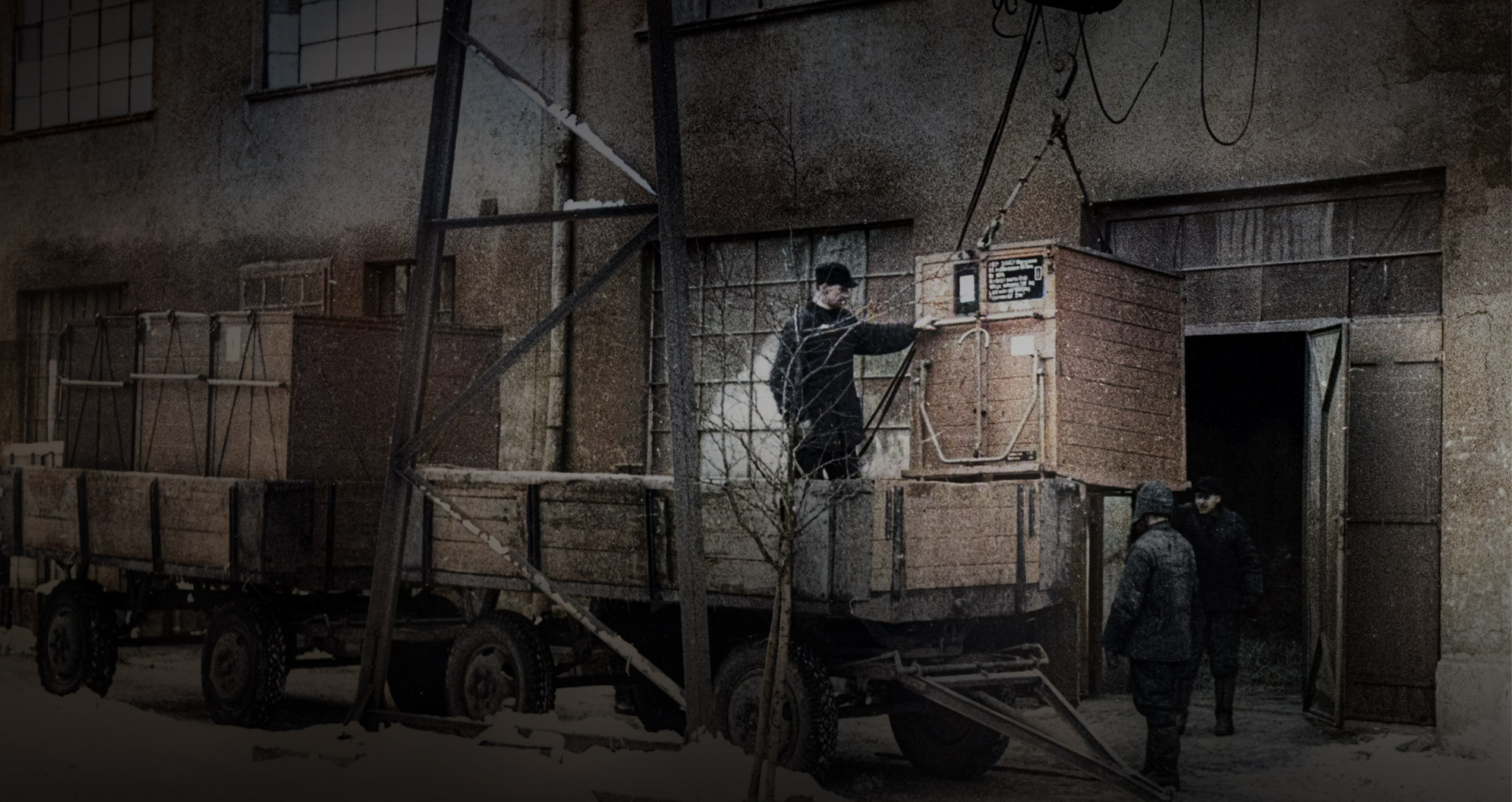
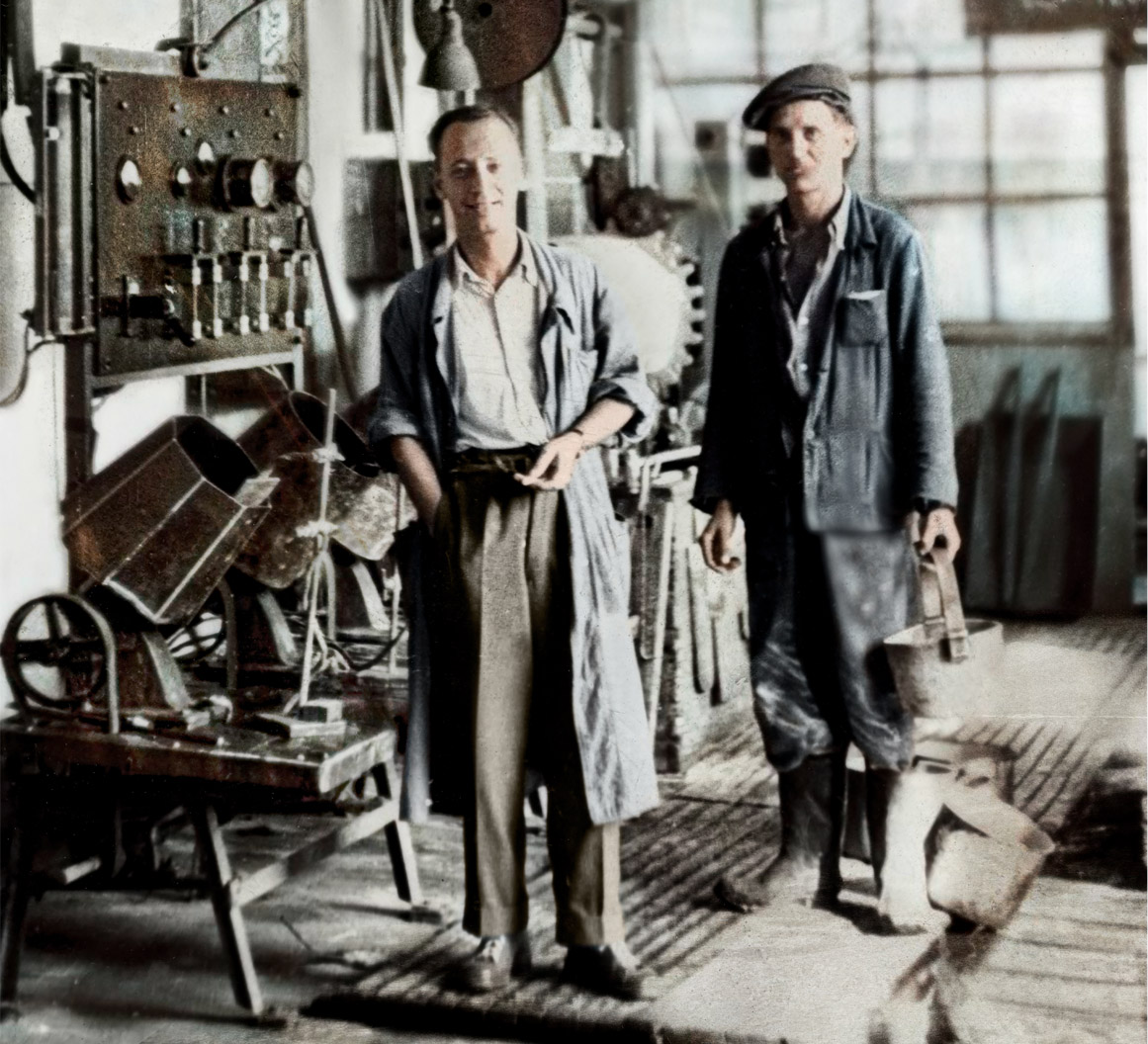
On May 15th 1945 the plant was released from soviet military administration end came under control of the Polish national administration. The Spółka Akcyjna Przemysłu Elektrycznego “Czechowice” (“Czechowice” Joint Stock Company of Electrical Engineering Industry) under national administration was established.
The first after-war invoice for 186 zloty was issued on May 17th, 1945.




In 1949 the factory was placed under administration of Zakłady Wytwórcze Sprzętu Instalacyjnego Przedsiębiorstwo Państwowe in Bydgoszcz (State-owned Manufacturing Plants of Installation Equipment in Bydgoszcz) as a detached A-43 Plant Czechowice. A Technology and Rationalisation Club was organised; its main achievements were associated with development of tools for manufacturing of the E27 bulb screw bases.
New products were launched. It is worth mentioning among them metal-housed holders, switches, sockets, plugs and multi-pin connectors; this range of products will constitute an important element of production until 1990s.
In 1951 the plant regained independence and operated under name of Czechowickie Zakłady Wytwórcze Sprzętu Instalacyjnego (Czechowice Manufacturing Plants of Electrical Engineering Equipment).
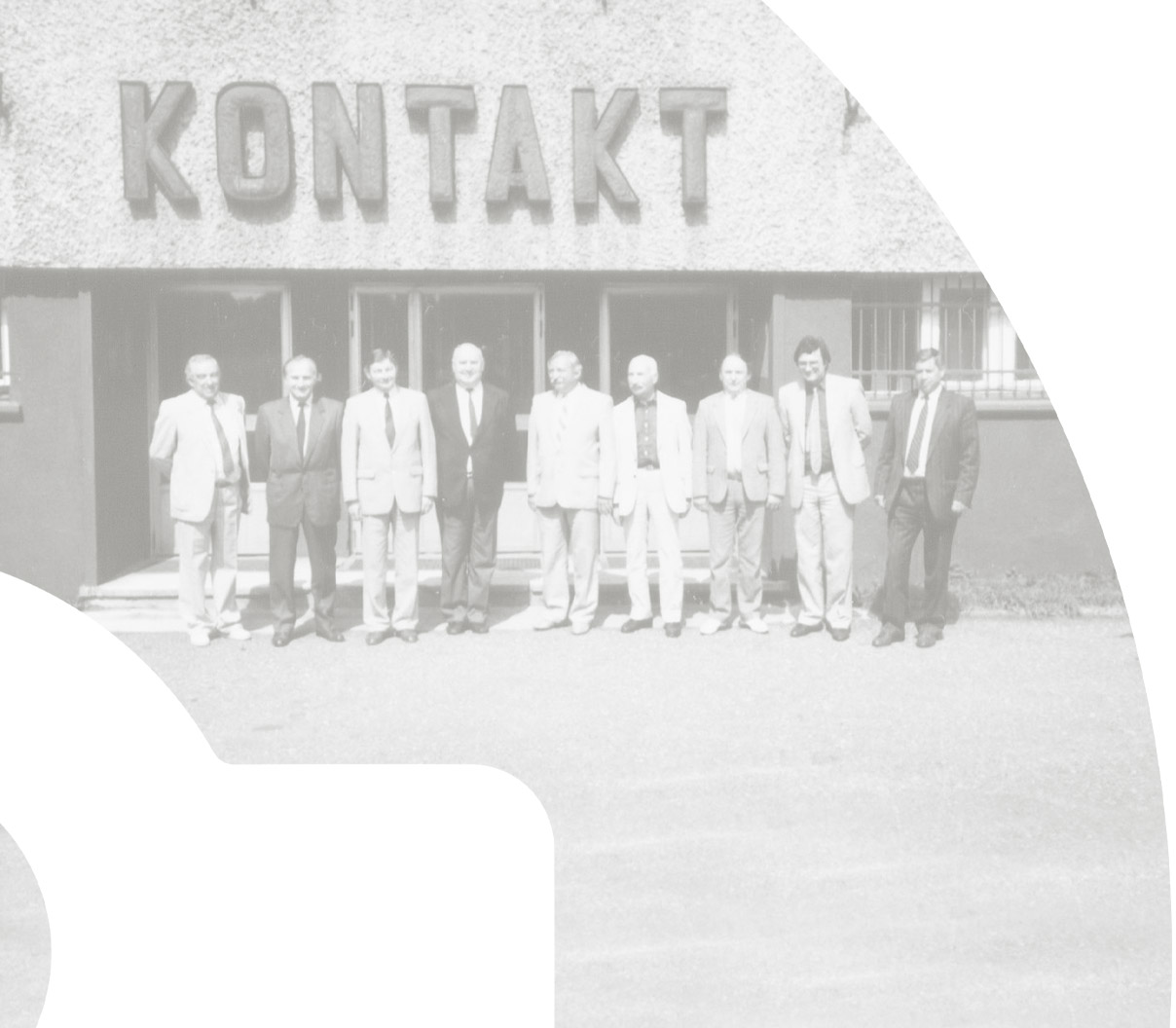
In March 1959 the enterprise was renamed again into Fabryka Sprzętu Elektrotechnicznego “Kontakt” (“Kontakt” Electrical Engineering Equipment Factory).
A chapter of Association of Polish Mechanical Engineers (SIMP) has been established in the company, with Mr Alfons Mynarski as the president. On the SIMP initiative a technical reading room/library was founded, with 2000 volumes collected.
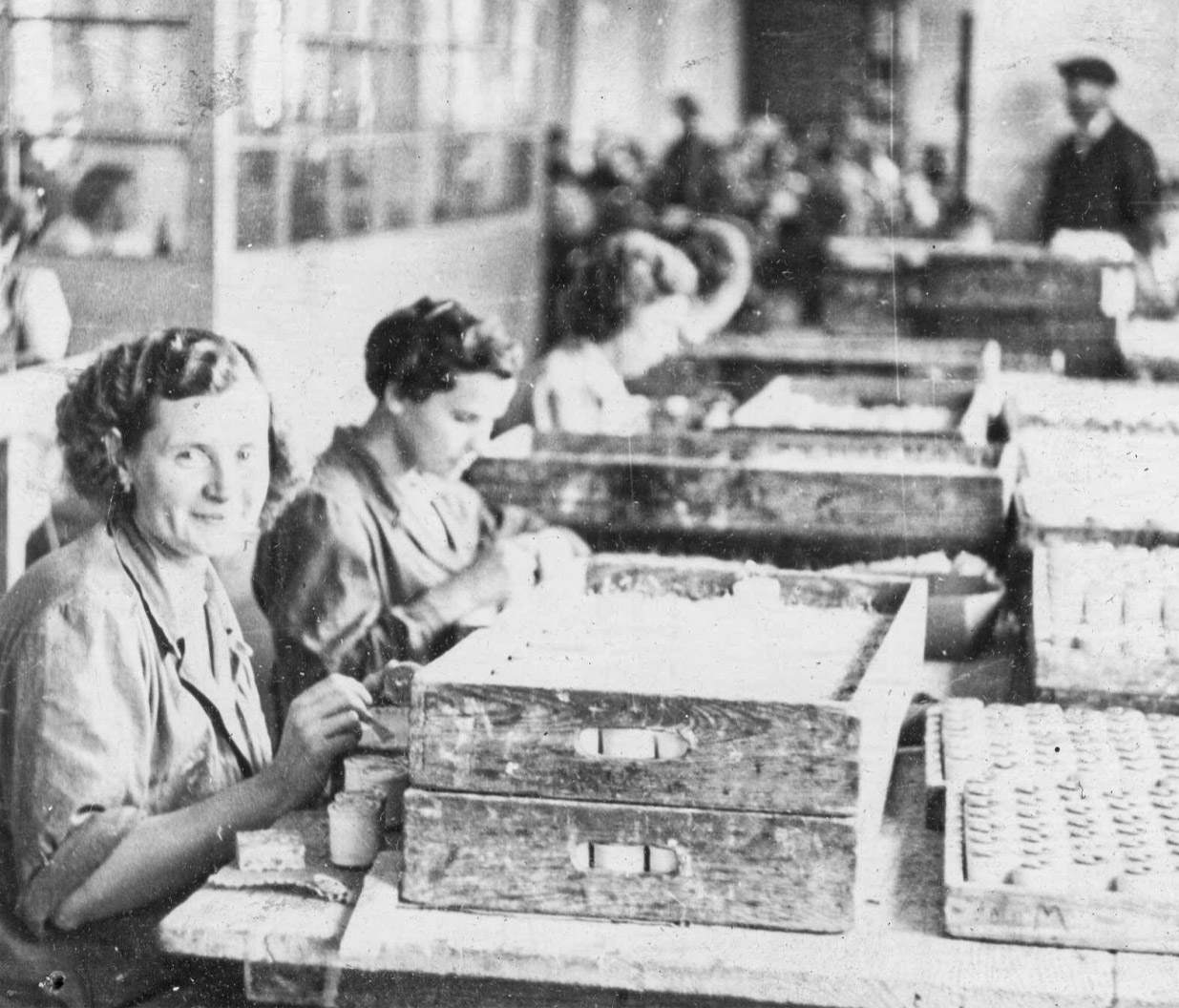
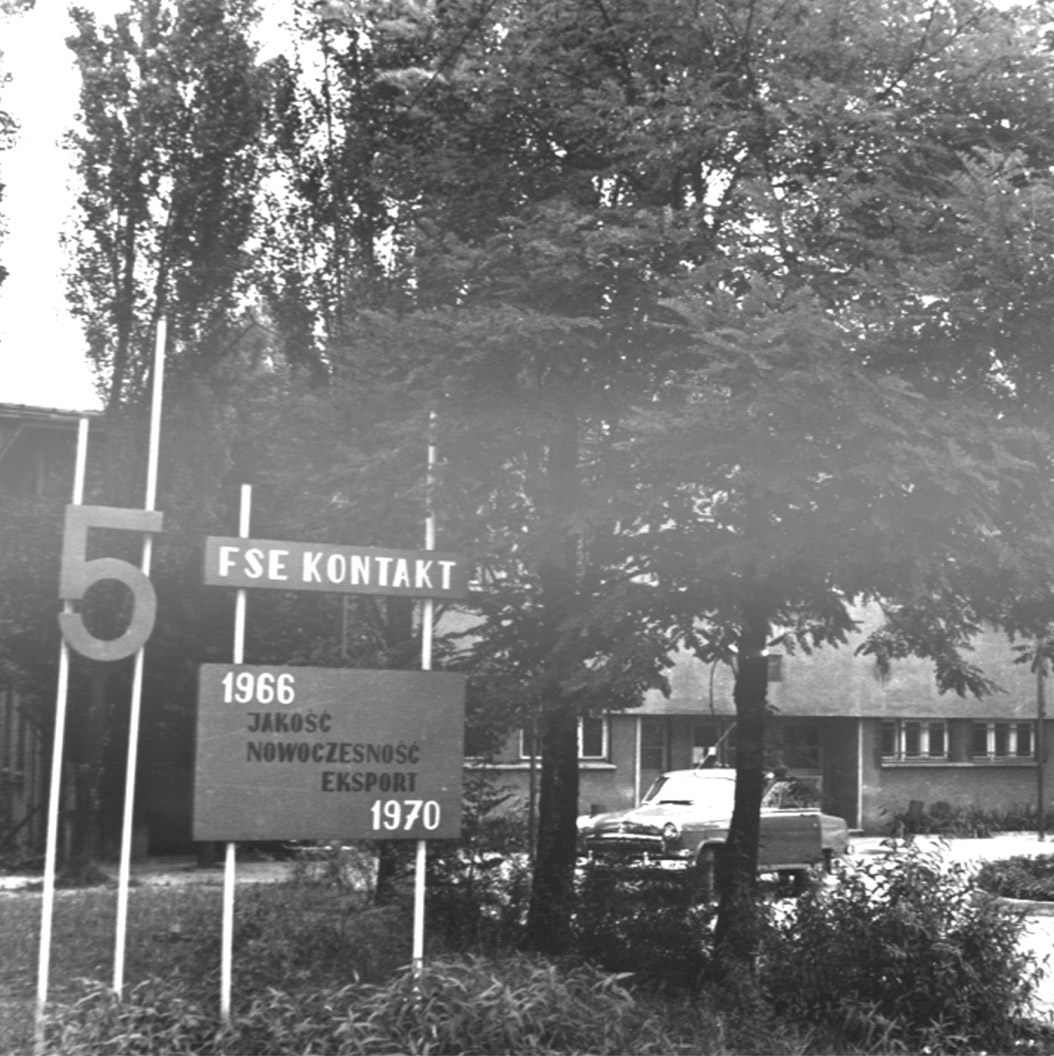
Besides the new products, the manufacturing process automation was the factor of great importance. The plant expansion was also the area of investments: a new transformer sub-station and high-voltage switchgear were built, and an entry scale was installed. In the A-building a lift was built-in.
An event of significant importance was the establishment of the Development Construction Office in 1962 (later known as Elgos). It was initiated by the management of Association of the Cable and Electrical Engineering Equipment Industry).
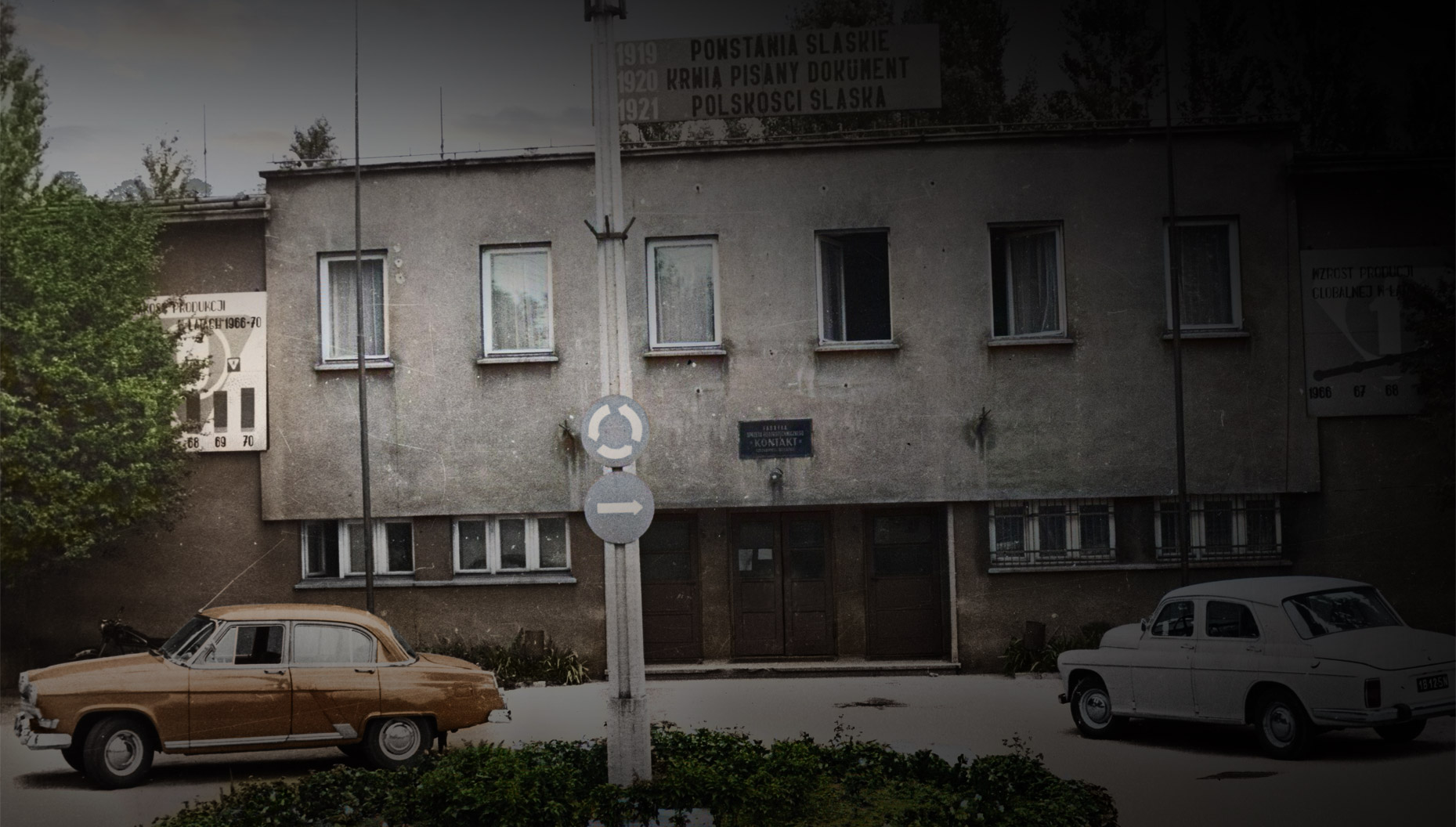
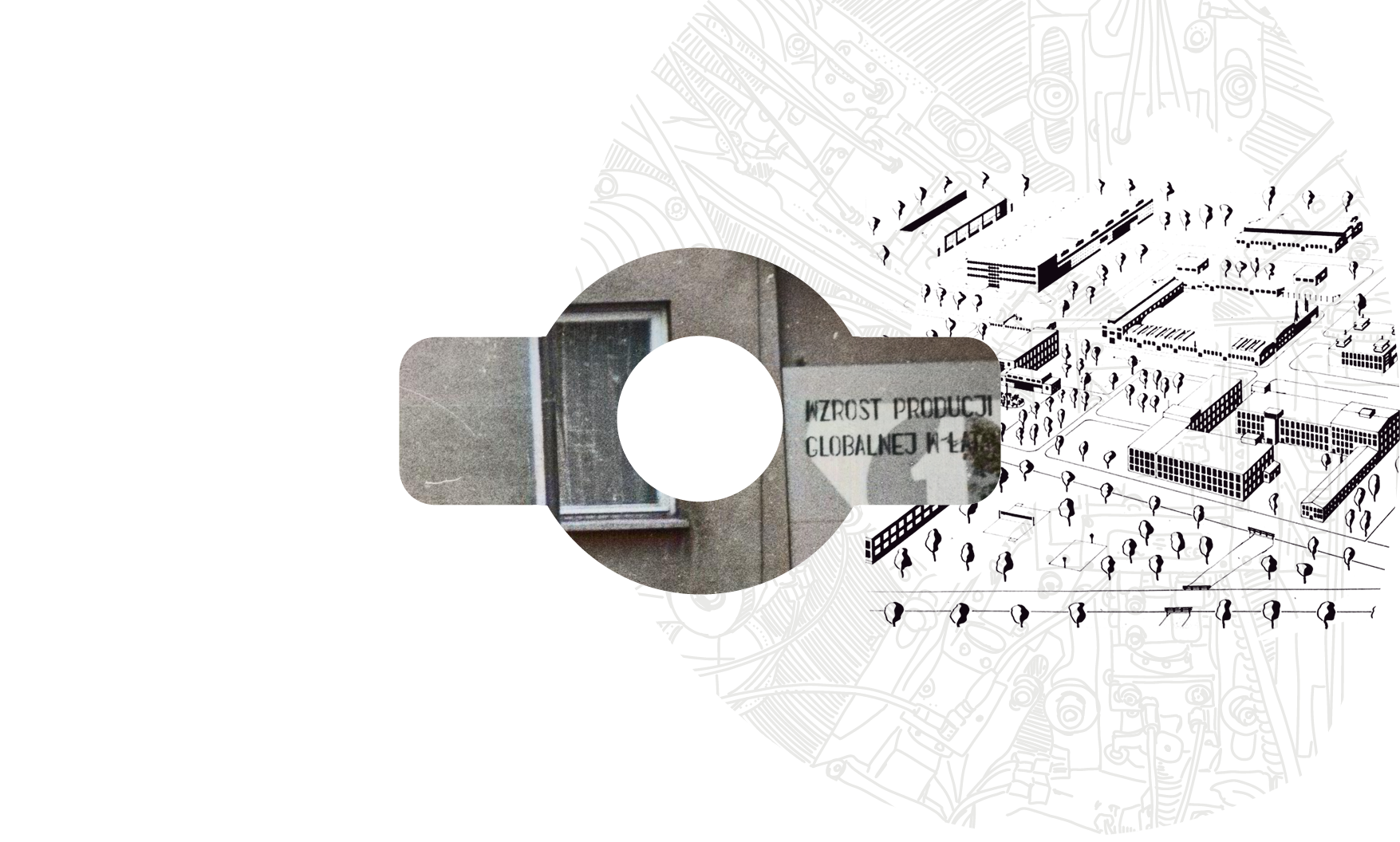
Manufacturing of multi-pin connectors in aluminium housing and aluminium sockets and plugs (for agriculture) was commenced. Among other products were also sewing machine speed controllers and... U-43 battery pocket torches.
As in previous decades, the 1960s brought also many (371) employee improvement suggestions of which almost half (180) were implemented. In the period also 18 patents were granted, including 7 international ones.

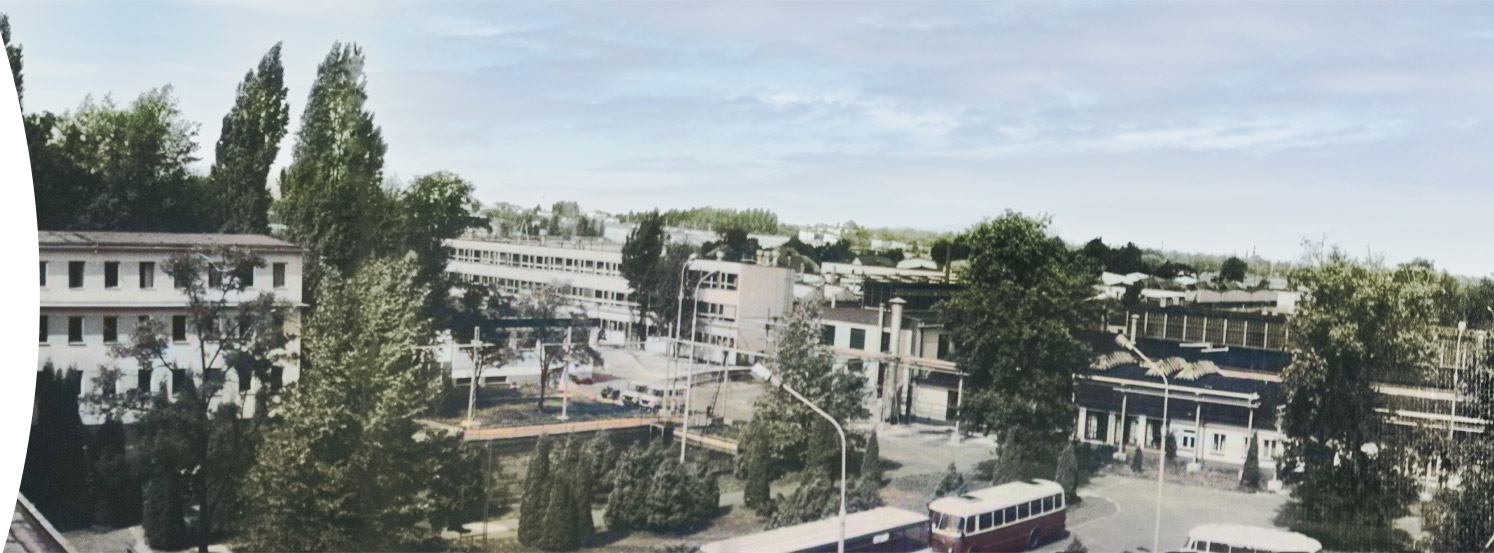
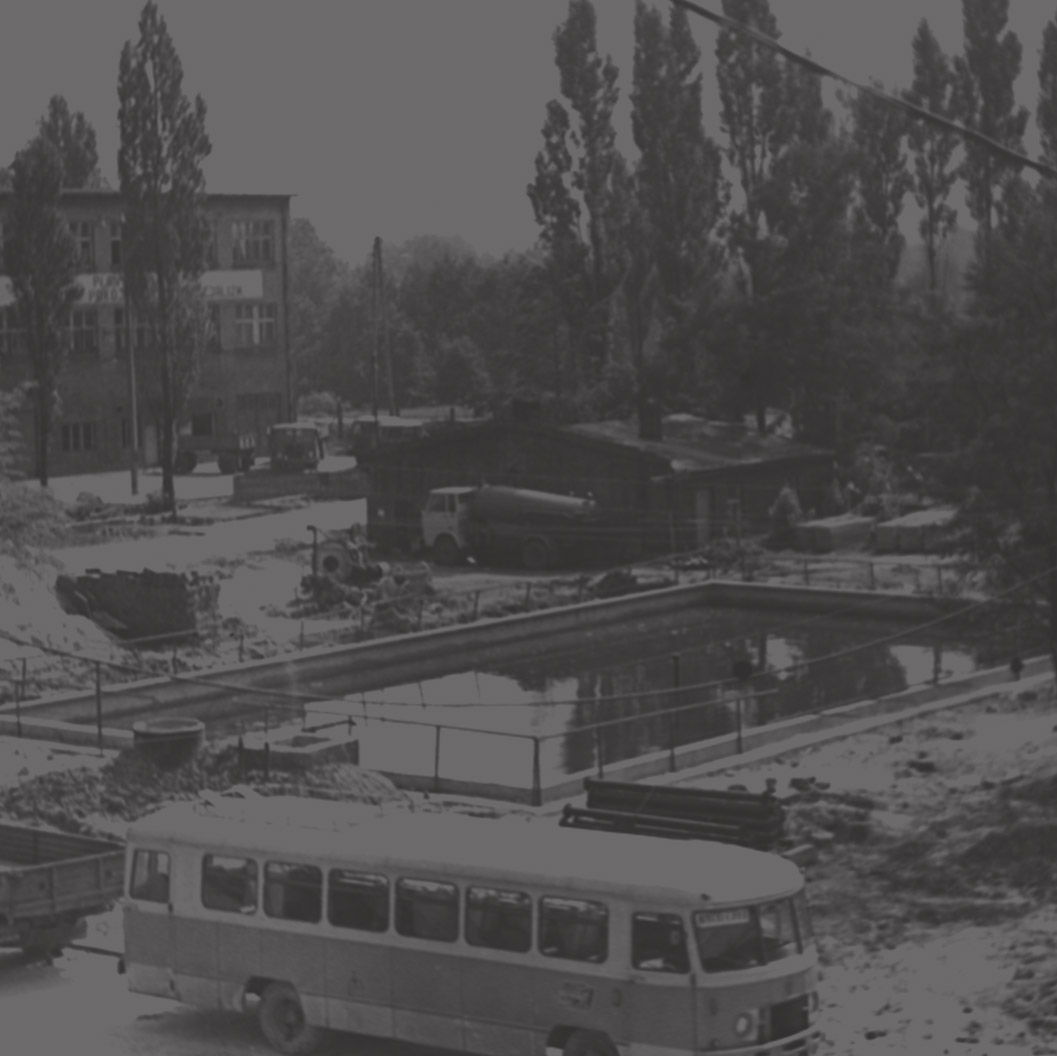
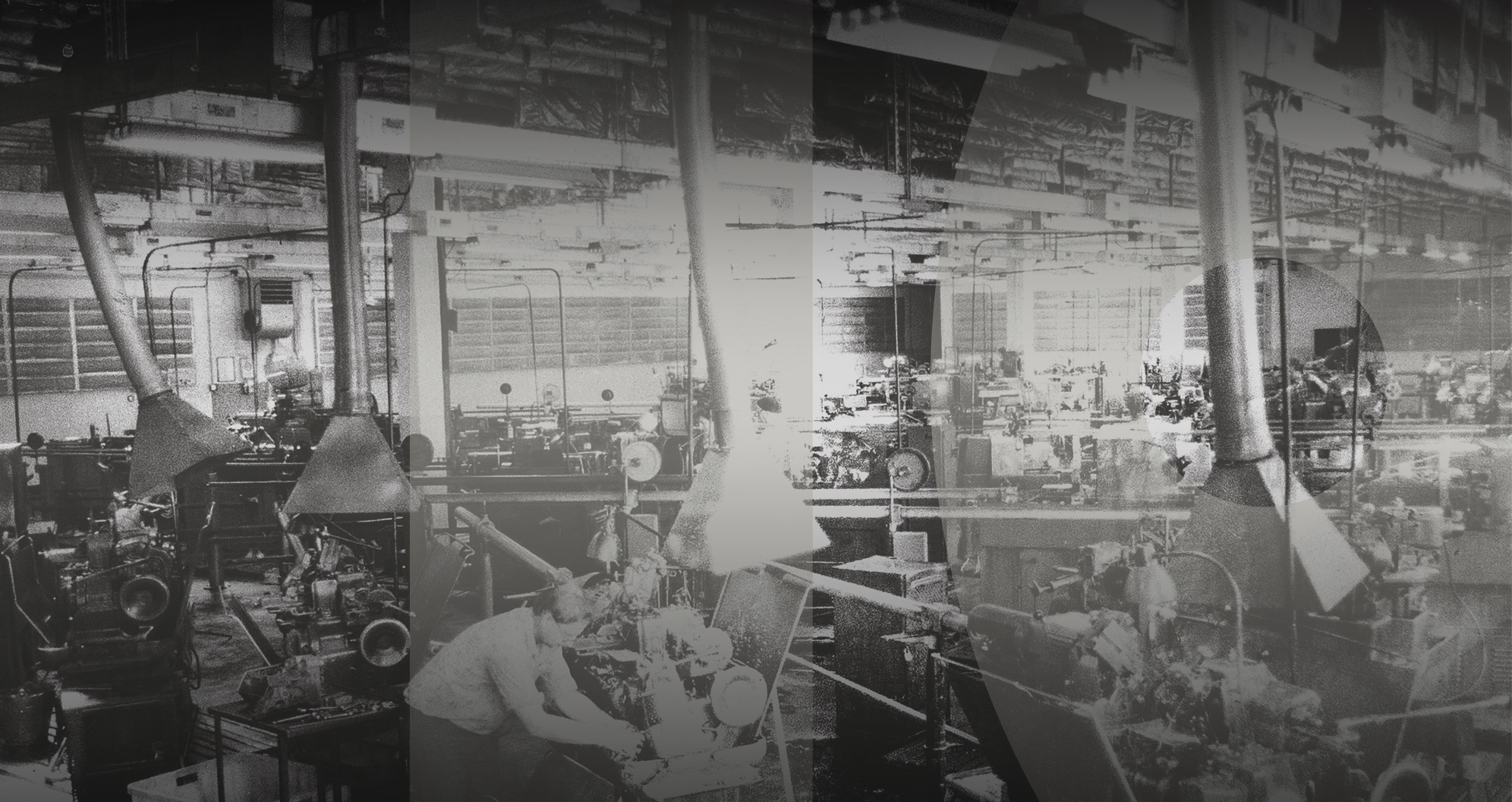
 The Kontakt Company had in 1970s a substantial machine park and was the leading manufacturer in the electrical engineering equipment branch.

The commencement of production of an automatic screw-in circuit breaker took place in 1974.
In 1976 the name of whole enterprise was changed into Południowe Zakłady Przemysłu Elektrotechnicznego “Polam-Kontakt” (“Polam-Kontakt” Southern Plants of Electrical Engineering Equipment Industry).
The year 1978 brought the beginning of production of a switch actuated by infrared radiation; Kontakt Company became a pioneer in electronics.

In 1992 the company name was changed into Fabryka Sprzętu Elektrotechnicznego “Kontakt” (“Kontakt” Electrical Engineering Equipment Factory).
In 1990s the Company went through the biggest changes both in the structure and production. In July 1994 Kontakt Company was converted into a sole shareholder company of the State Treasury named Fabryka Sprzętu Elektrotechnicznego “Kontakt SA” (“Kontakt SA” Electrical Engineering Equipment Factory). A year later the company shares were incorporated into National Investment Funds.


In 1995 production of holders manufactured in advanced technology of thermoplastic
material (polyester) processing was launched. That solution had a significant impact
on the natural environment protection by avoiding manufacturing of non-recyclable
plastic elements and, due to elimination of some metal components, reducing
generation of some environmentally hazardous wastewaters containing chromium
compounds.
It was the result of the FSE Kontakt S.A. involvement into activities of the Polish
Cleaner Production Movement.





The Company implemented a quality assurance system ISO 9001 for products of electronic and teletechnical industry.
Each newly introduced series is an innovative solution, including assembly facilitating measures, design and materials used.
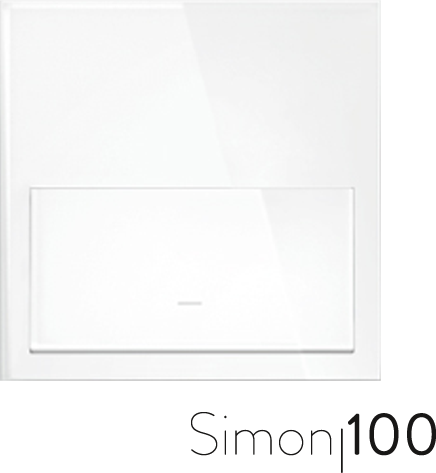
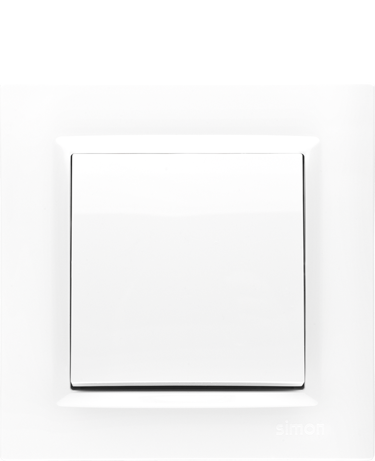

– a series with unique and modern design, setting up new standards in switches and sockets.
– a series developed for customers expecting interesting design and a very wide scope of products. Series has two frame variants: Original, Select.
- a unique, nature-inspired series of 16 frames made of wood, metal and glass.
– a series of glass, touch-activated switches.
– series with particularly wide range of products, including also electronic products. Simon 54 has two frame versions: Premium and Nature. A sub-group Simon 54 GO has been separated from this series – with the possibility to be controlled with a smartphone.
– a series that allows application of a wide range of products depending on the installation type (2 frame variants: Standard and Neos).
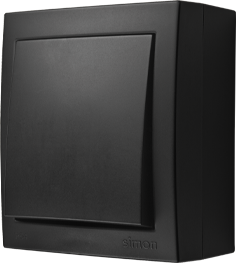

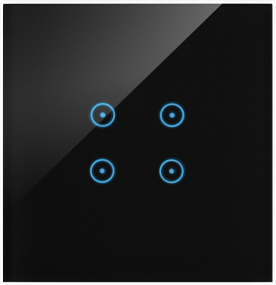
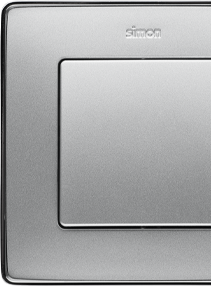



– smartphone-controlled electronic products providing access to your own house from everywhere in the world.
– modern, designer series with unique look, controlled with Wi-Fi from any point in the world. An ideal option for a modern interior.
– electronical series of glass panels with touch modules


In July 2006 the offer of Kontakt-Simon Company was extended by introducing into Polish market electricity distribution products manufactured in Spain.
These products make it possible to assembly electrical and ICT installations and are dedicated to business: offices, logistic-industrial centres, hotels, shops and galleries
in shopping centres.
The offer includes: floor installation boxes, power supply columns, wall and floor trunking, furniture power supply blocks and accessories with two socket systems: SIMON 500 and 45x45.
CabloPlus – trunking dedicated to assembly in medical facilities received the PHZ approval certificate in March 2021.

Establishing of subsidiaries/shareholding acquisition in foreign companies
– in 2007 in Torino the Simon Urmet Italy company was founded
– in 2005 in Kiev the Kontakt-Simon Ukraine company was established
– in 2014 shares of Norwegian Kontakt-S AS were aquired and Kontakt-Simon Nordic Company was created
– in 2019 the Kontakt-Simon CZ spol. s.r.o. was established, with registered office in Smržovka.

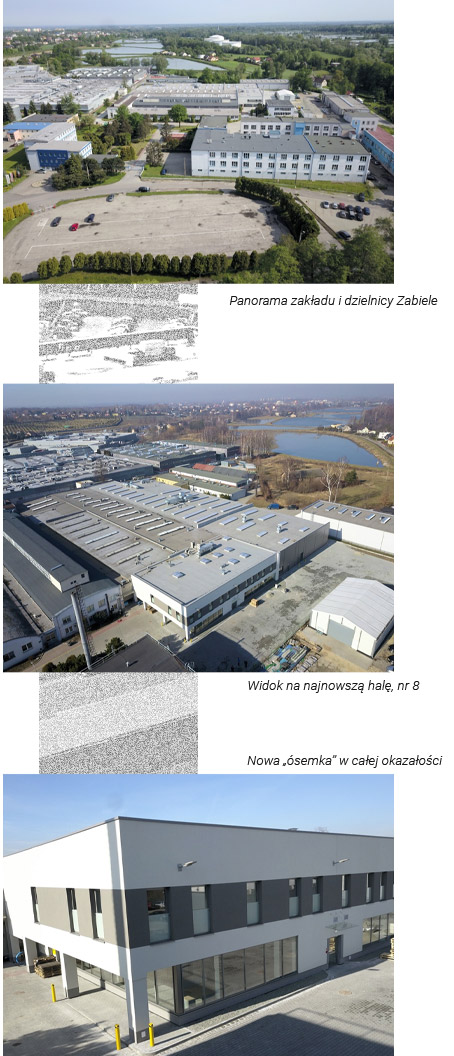
A new (4d) assembly hall was built in 2008 and another one (4e) – in 2013. At that time the compressor house building was also commissioned.
In 2019 another (4f) manufacturing building was completed. Furthermore a new warehouse and office building (No 8) were commissioned.
The 2020 brought the construction of acutely needed additional car parking and new granulate storage silos were built. For the coming years some further much expected investments are planned.

– the product packaging returned by the customers were sent to a company manufacturing ecological lawn grids. Thanks to that action where used foil had been recycled, the quantity of waste was reduced!
– an extraordinary educational action for children concerning electricity saving. A cycle of stories about Pafnuki, some little Earth-saving creatures, combined with a competition for illustrations. Theatre performances organised at schools of Silesia Voivodship were the prizes in that competition.

education and support for public cultural institutions (e.g. Theatre in Bielsko-Biała, Rock&Blues Festival) – supporting of sport events and sportsmen/sportswomen (including Magdalen Solich, the freediving World Champion)
– sustainable development, contributions for charities
– #szczytnycel – the most recent action for the company’s 100th anniversary under the auspices of Mr Krzysztof Wielicki. Over 1000 people hiked mountain trails collecting points convertible into money. And all that to support the Foundation of Silesian Hospice for Children with the amount of 100 000 zloty.